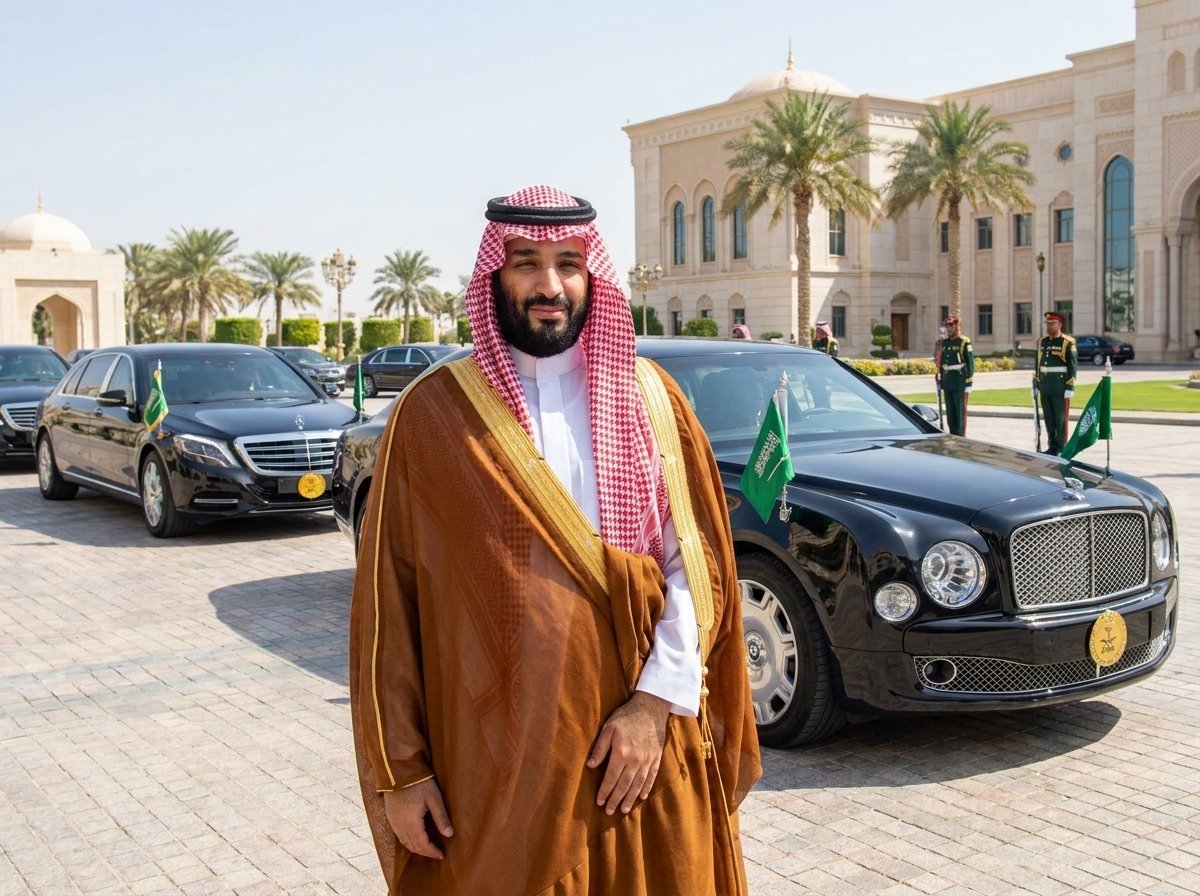
Introduction to Mohammed bin Salman (MBS)
Mohammed bin Salman, commonly known as MBS, is a significant figure in contemporary Saudi Arabian politics and governance. As the Crown Prince and the Minister of Defense, his influence extends beyond traditional royal duties, marking him as the de facto ruler of the Kingdom. Born on August 31, 1985, he is the son of King Salman bin Abdulaziz Al Saud and has rapidly emerged as a pivotal leader since his ascent to power.
MBS’s journey began in earnest when he was appointed as the Crown Prince in June 2017, following a sudden shake-up in the line of succession. This appointment not only reflected his father’s trust in him but also indicated a shift towards a more modern and reformist agenda for Saudi Arabia. His rise was characterized by aggressive economic diversification efforts, primarily embodied in the Vision 2030 initiative, which aims to reduce the kingdom’s dependency on oil revenue and foster a vibrant economic landscape driven by investment and tourism.
Under his leadership, Saudi Arabia has witnessed substantial changes, including social reforms aimed at empowering women, such as granting them the right to drive and expanding their participation in the workforce. MBS has also fostered closer ties with various international allies, significantly altering the kingdom’s diplomatic landscape. His tenure, however, has not been without controversy, particularly regarding human rights issues and regional conflicts, which have drawn criticism from various factions both within and outside the kingdom.
In this context, Mohammed bin Salman emerges as a transformational figure in Saudi history. His vision not only targets economic revitalization but also seeks to redefine the roles of the monarchy and its relationship with its citizens, aligning with contemporary global standards while managing the complexities of traditional governance.
Economic Reforms Under MBS
Since becoming the crown prince of Saudi Arabia in 2017, Mohammed bin Salman (MBS) has spearheaded a series of economic reforms aimed at dramatically transforming the nation’s economy. One of the hallmark initiatives of his agenda is Vision 2030, a comprehensive plan designed to diversify the Saudi economy away from its heavy reliance on oil revenues. Historically, oil has dominated the Saudi economy, accounting for a large share of government income and exports. However, MBS recognizes the need for a more sustainable economic model, prompting this ambitious transformation.
Vision 2030 outlines several strategic goals, including increasing the private sector’s contribution to the economy, enhancing government efficiency, and promoting investment. A critical component of this strategy is the aim to attract foreign investment by creating a more inviting business environment. To this end, the government has implemented reforms that simplify the process for foreign businesses to partner with local firms and invest in the Saudi market.
Another significant reform is the introduction of the National Industrial Development and Logistics Program, which seeks to boost the industrial and logistics sectors. This initiative is part of a broader effort to enhance manufacturing capabilities within the kingdom and position Saudi Arabia as a logistics hub in the region. Currently, the economy is marked by significant public investment in infrastructure, tourism, and entertainment, which are intended to stimulate job creation and economic activity.
MBS’s reforms also emphasize the promotion of cultural and recreational activities in a bid to improve the quality of life for Saudi citizens and residents. By investing in industries such as tourism, sports, and entertainment, the government aims to create a vibrant economy that is less dependent on oil. As these reforms unfold, the long-term implications for the Saudi economy are profound, potentially redefining its role in the global market.
Social Changes and Vision 2030
Under the leadership of Crown Prince Mohammed bin Salman (MBS), Saudi Arabia has witnessed transformative social reforms aligned with the broader framework of Vision 2030. This strategic initiative aims to diversify the economy, reducing the country’s historical reliance on oil, while simultaneously fostering an inclusive society with increased opportunities for all citizens.
One of the most notable advancements has been in women’s rights, where substantial progress reflects MBS’s commitment to gender equality. The ban on women driving was lifted in 2018, a landmark decision that resonated with both domestic and international audiences. This reform not only granted women greater independence but also encouraged their participation in the workforce, thereby contributing to the kingdom’s economic diversification goals.
Additionally, MBS has championed cultural openness through initiatives that promote entertainment and leisure activities in the Kingdom. The introduction of cinema, concerts, and other events has transformed the cultural landscape, moving away from the conservative restrictions that once defined Saudi society. This shift aligns with Vision 2030’s goal of enhancing the quality of life for citizens and creating a vibrant cultural scene.
These social reforms have been met with mixed reactions, reflecting the complexities of rapid change in a traditional society. Nevertheless, the Crown Prince’s vision has ignited discussions about modernity and cultural evolution within the context of Saudi society. The positive narrative surrounding women’s empowerment and expanded cultural freedoms plays a crucial role in shaping a new identity for the nation, one that aligns with global norms while respecting local traditions.
In summary, the social changes implemented by MBS are a significant aspect of his Vision 2030 strategy. Through advancements in women’s rights and the promotion of entertainment and cultural openness, these reforms underline a commitment to a modernized Saudi Arabia, striving towards a future that balances tradition with progressive ideals.
Challenges and Future Prospects
Mohammed bin Salman (MBS), the Crown Prince of Saudi Arabia, has embarked upon an ambitious agenda aimed at transforming the nation. However, this vision is fraught with challenges at both domestic and international levels. One significant issue is the ongoing criticism of Saudi Arabia’s human rights record. The Crown Prince has been under scrutiny for the kingdom’s treatment of dissenters, the rights of women, and the wider repression of political freedoms. This negative perception poses risks to the country’s international relations, particularly with Western nations that prioritize human rights in their foreign policy agendas.
Regionally, MBS faces a complex geopolitical landscape. Saudi Arabia’s involvement in Yemen’s civil war has drawn condemnation and strained relationships with several nations and international organizations. The conflict has not only resulted in a humanitarian crisis but also has implications for the kingdom’s security and stability. Additionally, relations with Iran remain tense, exacerbating regional instability and complicating Saudi Arabia’s strategic objectives. Such challenges require careful diplomatic maneuvering to ensure the country’s safety and promote peace in the region.
On the economic front, MBS’s Vision 2030 initiative aims to reduce the country’s dependence on oil revenues and diversify the economy. However, achieving these goals is complicated by global economic fluctuations and the transition to renewable energy sources, which threaten the traditional oil market. The challenges surrounding economic reform include creating sustainable jobs for a rapidly growing population and attracting sufficient foreign investment to realize ambitious development plans. Thus, while the trajectory under MBS has the potential for significant advancement, it also requires navigating numerous obstacles that could hinder Saudi Arabia’s potential growth and stability.